
News from the Oklahoma Department of Wildlife Conservation
Researchers Track Black Bears in Northeast Oklahoma
”The Oklahoma Station of the Safari Club International continued their commitment to conservation by
providing important funding for this bear research project. The Oklahoma Station Chapter Safari Club
International has partnered with the Oklahoma Department of Wildlife Conservation on a number of
important research projects including, Hunters Against Hunger, Operation Game Thief, hunter education and
other wildlife conservation efforts. The mission of the Oklahoma Station Chapter Safari Club International is
to protect the freedom to hunt and promote wildlife conservation in the state of Oklahoma and worldwide….”
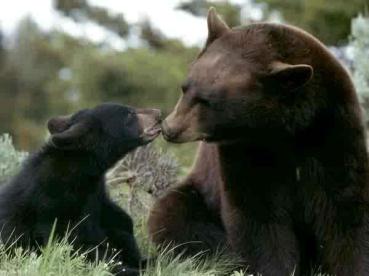
THE BLACK BEAR IN
OKLAHOMA…
Length 4-6 feet. Height at
shoulder 2-3 feet. Weight 150-400
pounds. Color varies from
blackish to chocolate brown to
pale cinnamon. Preferred habitat
is inaccessible forests, swamps,
brushy areas. Diet consists of
nuts, berries, grasses, insects,
eggs, honey, small mammals and
carrion. Not active predators.
Hibernates in winter but can
arouse quickly. Dens in caves,
hollow logs, large trees or beneath
boulders. Mates in late June and
July. Gestation period of 7-8
months. One to 3 cubs are born in
January to March in the winter
den. Young are weaned in
August. Family breaks up at end
of second winter. Range: extreme
southeast Oklahoma and tier of
eastern counties.
While black bears in southeast Oklahoma have been studied extensively by biologists and are
even pursued by hunters each fall, less is known about bears inhabiting the northeast portion of the
state. But a research project by the Oklahoma Department of Wildlife Conservation in partnership
with the Oklahoma Cooperative Fish and Wildlife Research Unit and the Department of Natural
Resource Ecology and Management at Oklahoma State University is helping to change that.
CONSERVATION
Page 13