SEO Version



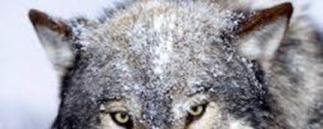
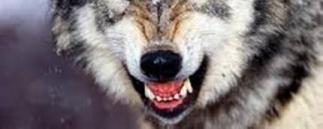
The Gray Wolf is not your Story Book Character at all Times
The original goals set for the recovery of gray wolves in the U.S. were to achieve 300 or more wild
wolves with at least 30 breeding pairs. These numbers had to be sustained for three years before the restoration
could be considered successful. Once the numbers were stable state conservation departments had to submit
management plans to the U.S. Fish and Wildlife Service (USFWS).
Target population sizes were reached in 2002 but approved state plans were not completed until
2007. Since then populations have continued to increase. In 2010 wolf populations in the Northern Rockies
were estimated to be around 1550 with sufficient breeding pairs. In Montana alone there are roughly 560 which
is nearly a ten percent increase from the state’s population in 2009.
For some the recovery of
wolves in the lower 48 has been more of a
horror story than a success story. Ranchers
from areas with recovered wolves have
suffered major losses in their livestock. Even
more alarming than cattle-killing though is
the devastating affect these reintroduced
predators have had on the local elk
populations. In the Lochsa area of Idaho the
local elk population has fallen from 16,000
to around 2,000. Part of this decline is attributed to an exceptionally harsh winter from 1996-1997 however, the
elk typically have recovered from such events but were not successful in doing so once wolves were
reintroduced. Another area of concern is Yellowstone National Park. This area has seen a 70% decrease in its
elk since 1995, falling from ~16,800 to ~4,600.
Powered by FlippingBook Publisher